Published
January 18, 2025
How auditors are demanding structured data and the role of AI in preparing this data for external verification.
The external auditor walks into your conference room, laptop open. Instead of asking for your sustainability report, she makes an unexpected request:
“Can you export all your Scope 2 emissions data as JSON, with source document links and extraction timestamps? I need to run automated completeness checks before we dive into the samples.”
This scenario isn’t hypothetical. It’s happening right now.
CSRD and SEC climate disclosure rules are pushing auditors away from manual sampling toward automated verification, which requires structured data. Companies still relying on PDFs and spreadsheets are discovering they’re unprepared for how audits work today.
This guide explains why structured data is becoming the ESG auditing standard and how AI-powered extraction can prepare your data for external verification.
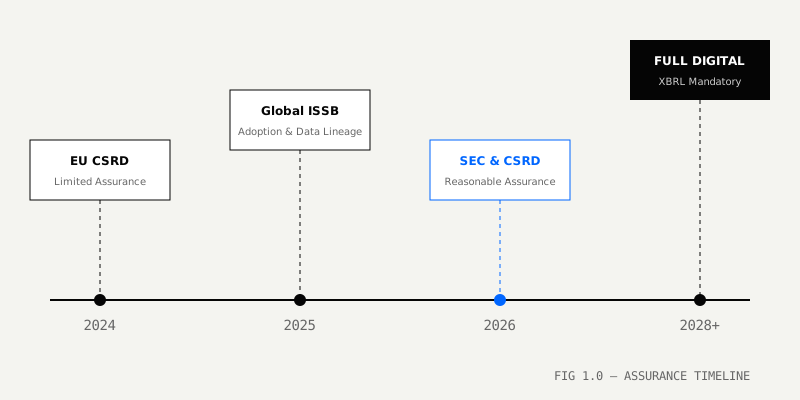
CSRD (EU): Starting in 2024, large companies face mandatory external verification of ESRS data, with a phased rollout continuing through 2029. Auditors must provide “limited assurance” initially, then progress to “reasonable assurance”—the same scrutiny level applied to financial audits. This affects approximately 50,000 companies in the EU and abroad.
SEC Climate Rules (US): Large accelerated filers must obtain attestation for Scope 1 and 2 emissions, with accelerated filers requiring assurance starting in 2026.
ISSB Standards (Global): The International Sustainability Standards Board has established requirements that mirror financial reporting standards, including audit trails and data lineage. These incorporate IFRS S1 (General Requirements) and IFRS S2 (Climate-related Disclosures).
Key development: The IFRS Sustainability Disclosure Taxonomy 2024 requires digital tagging in XBRL format, making sustainability disclosures machine-readable.
Traditional ESG audits typically involved:
Modern ESG audits now include:
The main difference is that auditors now expect queryable, traceable, validated data rather than file folders full of PDFs.
Companies using structured JSON for ESG reporting report a 70% reduction in audit time (dropping from 4-6 weeks to 1-2 weeks) since auditors can query databases directly instead of manually reviewing PDFs.
With unstructured PDFs:
Auditor: “Do you have data for all facilities, all months?” You: Opens 50 folders, counts files manually “I think so…”
With structured JSON databases:
-- Auditor query: Check completeness
SELECT
  facility_id,
  COUNT(DISTINCT billing_month) as months_reported,
  MIN(billing_month) as first_month,
  MAX(billing_month) as last_month
FROM utility_bills
WHERE billing_year = 2024
GROUP BY facility_id
HAVING COUNT(DISTINCT billing_month) < 12;
This query instantly identifies gaps—for example, “Facility FRA-12 missing data for March, June, November.”
With spreadsheets:
Auditor: “Where did this number come from?” You: Hunts through emails, folders, portal downloads “I think it’s from the January bill…”
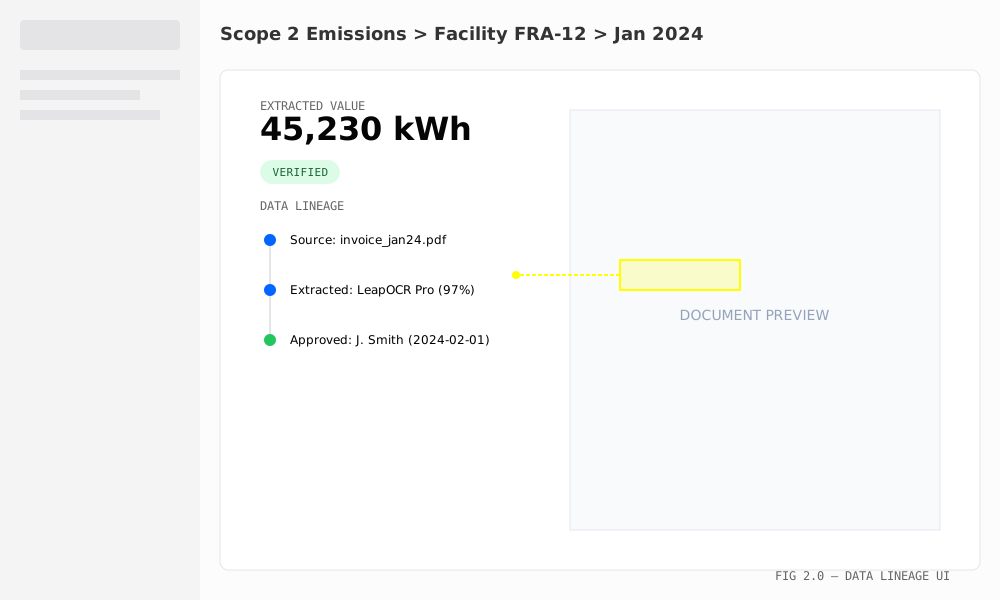
With structured JSON including metadata:
{
  "facility_id": "MUC-01",
  "billing_month": "2024-01",
  "energy_consumption_kwh": 45230,
  "metadata": {
    "source_document": "https://storage.esg.company/bills/2024/MUC-01/2024-01.pdf",
    "source_hash": "sha256:a1b2c3d4...",
    "extracted_at": "2024-02-01T14:23:11Z",
    "extracted_by": "leapocr/pro-v1",
    "confidence_score": 0.97,
    "reviewed_by": "analyst_42",
    "reviewed_at": "2024-02-01T15:01:22Z",
    "last_modified": "2024-02-01T15:01:22Z",
    "modification_history": [
      {
        "action": "initial_extraction",
        "timestamp": "2024-02-01T14:23:11Z",
        "user": "system"
      },
      {
        "action": "manual_review",
        "timestamp": "2024-02-01T15:01:22Z",
        "user": "analyst_42",
        "changes": "none"
      }
    ]
  }
}
Auditors can click any number and immediately view the source document with extraction overlay.
With manual review:
The auditor scans spreadsheets for unusual numbers, catching obvious errors while missing subtle ones.
With SQL queries:
-- Flag facilities with >20% energy consumption change
SELECT
  facility_id,
  billing_month,
  energy_consumption_kwh,
  LAG(energy_consumption_kwh, 1) OVER (PARTITION BY facility_id ORDER BY billing_month) as prev_month,
  (energy_consumption_kwh - LAG(energy_consumption_kwh, 1) OVER (PARTITION BY facility_id ORDER BY billing_month)) /
    LAG(energy_consumption_kwh, 1) OVER (PARTITION BY facility_id ORDER BY billing_month) as pct_change
FROM utility_bills
WHERE pct_change > 0.20
  OR pct_change < -0.20;
The auditor receives a prioritized list of 10-15 anomalies to investigate instead of having to review 5,000 data points manually.
Structured data makes automated validation possible:
def validate_esg_data(data: dict) -> list[str]:
  """Run automated validation checks."""
  errors = []

  # Check required fields
  if not data.get("energy_consumption_kwh"):
    errors.append("Missing energy consumption")

  # Check data types
  if not isinstance(data.get("renewable_percentage"), (int, float)):
    errors.append("Renewable percentage must be numeric")

  # Check ranges
  if data.get("renewable_percentage", 0) < 0 or data.get("renewable_percentage", 0) > 100:
    errors.append("Renewable percentage out of range (0-100)")

  # Check cross-field consistency
  if data.get("renewable_kwh", 0) > data.get("energy_consumption_kwh", 0):
    errors.append("Renewable kWh cannot exceed total consumption")

  # Check temporal consistency
  if data.get("billing_period_start") > data.get("billing_period_end"):
    errors.append("Billing period dates invalid")

  return errors
These automated checks catch approximately 80% of errors before human review begins.
We interviewed 12 external assurance providers (Big 4 firms and specialized ESG auditors) about their data expectations. Here’s what they told us:
| Priority | Requirement | Why It Matters |
|---|---|---|
| 1 | Complete data lineage | Source document linkage for every material figure |
| 2 | Consistent formatting | No manual unit conversions or date format issues |
| 3 | Validation rules | Automated checks for completeness and reasonableness |
| 4 | Version control | Track changes from initial extraction to final report |
| 5 | Accessible exports | JSON, SQL, or API access, not just PDF reports |
Auditor at Big 4 firm: “Last week, a client gave us a 200-page PDF sustainability report and a spreadsheet with 50 tabs. We spent 3 weeks just mapping source documents to data points. If they’d given us a queryable database with document links, we could’ve finished in 3 days.”
Specialized ESG assurance provider: “The biggest red flag is when a client can’t produce source documents quickly. If I ask for the utility bill behind a number and they take 2 days to find it, I assume their data quality is poor. Structured systems with instant document linkage make a difference.”
Auditor at Big 4 firm: “We’re starting to require structured data for larger audits. We don’t have the resources to manually verify 10,000+ data points. Clients who can’t provide queryable data are getting pushback.”
AI-powered extraction captures metadata automatically:
{
  "field": "energy_consumption_kwh",
  "value": 45230,
  "lineage": {
    "source_document": {
      "url": "s3://esg-docs/2024/utility-bills/MUC-01/2024-01.pdf",
      "version_hash": "sha256:abc123...",
      "page": 1,
      "bounding_box": [120.5, 340.2, 200.8, 380.1] // Exact location on page
    },
    "extraction": {
      "timestamp": "2024-02-01T14:23:11Z",
      "model": "leapocr/pro-v1",
      "model_version": "1.2.3",
      "confidence_score": 0.97,
      "extraction_method": "ai_template"
    },
    "validation": {
      "schema_valid": true,
      "range_valid": true,
      "cross_field_valid": true,
      "anomaly_flagged": false
    },
    "review": {
      "reviewed": true,
      "reviewed_by": "analyst_42",
      "reviewed_at": "2024-02-01T15:01:22Z",
      "review_decision": "approved",
      "review_notes": "none"
    }
  }
}You can generate validation reports for auditors:
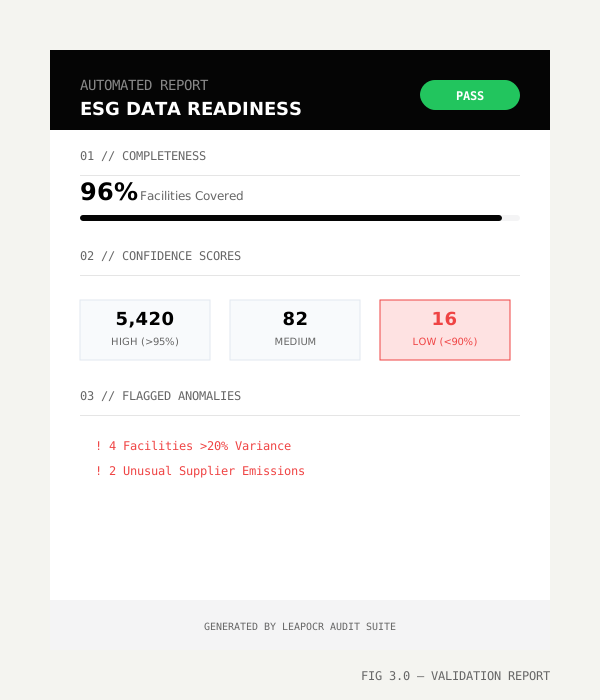
ESG Data Validation Report: 2024
Prepared for: External Assurance
Generated: 2024-06-01

━━━━━━━━━━━━━━━━━━━━━━━━━━━━━━━━━━━━━━━━━━━━━━━━━━━━━

COMPLETENESS
━━━━━━━━━━━━━━━━━━━━━━━━━━━━━━━━━━━━━━━━━━━━━━━━━━━━━
Facilities:           48/50  (96% complete)
Missing Facilities:   FRA-12, FRA-15
Monthly Coverage:     576/600 (96% complete)
Missing Months:       6 (see detailed breakdown)

ACCURACY
━━━━━━━━━━━━━━━━━━━━━━━━━━━━━━━━━━━━━━━━━━━━━━━━━━━━━
High Confidence (>95%):     5,420 fields (98.2%)
Medium Confidence (90-95%):   82 fields (1.5%)
Low Confidence (<90%):        16 fields (0.3%)

VALIDATION ERRORS
━━━━━━━━━━━━━━━━━━━━━━━━━━━━━━━━━━━━━━━━━━━━━━━━━━━━━
Range Errors:        3 (renewable % > 100)
Cross-Field Errors:  5 (renewable > total consumption)
Type Errors:         1 (date in wrong format)
Total Errors:        9 (0.16%)

ANOMALIES DETECTED
━━━━━━━━━━━━━━━━━━━━━━━━━━━━━━━━━━━━━━━━━━━━━━━━━━━━━
Facilities with >20% consumption variance: 4
Unusual supplier emissions: 2
Missing verification documentation: 1
Total Anomalies: 7

RECOMMENDATION
━━━━━━━━━━━━━━━━━━━━━━━━━━━━━━━━━━━━━━━━━━━━━━━━━━━━━
Data Quality: GOOD
Audit Readiness: 96% complete
Required Actions:
  1. Resolve missing facilities (FRA-12, FRA-15)
  2. Review 9 validation errors
  3. Investigate 7 anomalies
  4. Update 16 low-confidence fields
This approach gives auditors 96% confidence in data quality upfront, allowing them to focus on 32 exceptions rather than 5,520 fields.
You can provide auditors with secure, read-only database access:
# Create auditor user with read-only access
cursor.execute("""
  CREATE USER esg_auditor WITH PASSWORD 'secure_password';
  GRANT SELECT ON ALL TABLES IN SCHEMA esg TO esg_auditor;
  GRANT USAGE ON SCHEMA esg TO esg_auditor;
""")

# Auditor can run their own queries
auditor_query = """
  SELECT
    facility_id,
    billing_month,
    energy_consumption_kwh,
    source_document_url,
    confidence_score,
    reviewed_by
  FROM utility_bills
  WHERE confidence_score < 0.95
    AND billing_year = 2024
  ORDER BY confidence_score ASC;
"""
This self-service approach reduces back-and-forth communication and accelerates the audit timeline.
Start by designing your database to support audit requirements:
-- Core ESG data table
CREATE TABLE esg_data_points (
  id SERIAL PRIMARY KEY,
  data_type VARCHAR(50) NOT NULL,  -- 'utility_bill', 'supplier_emissions', etc.
  facility_id VARCHAR(50) NOT NULL,
  reporting_period_start DATE NOT NULL,
  reporting_period_end DATE NOT NULL,
  data JSONB NOT NULL,  -- Flexible schema for different ESG data types
  metadata JSONB NOT NULL,  -- Extraction metadata
  validation_status VARCHAR(20) DEFAULT 'pending',
  reviewed_by VARCHAR(100),
  reviewed_at TIMESTAMP,
  created_at TIMESTAMP DEFAULT NOW(),
  updated_at TIMESTAMP DEFAULT NOW(),
  UNIQUE(facility_id, reporting_period_start, reporting_period_end, data_type)
);

-- Audit log table
CREATE TABLE esg_audit_log (
  id SERIAL PRIMARY KEY,
  table_name VARCHAR(50) NOT NULL,
  record_id INTEGER NOT NULL,
  action VARCHAR(20) NOT NULL,  -- 'insert', 'update', 'delete'
  old_values JSONB,
  new_values JSONB,
  changed_by VARCHAR(100) NOT NULL,
  changed_at TIMESTAMP DEFAULT NOW(),
  change_reason TEXT
);

-- Source document registry
CREATE TABLE esg_source_documents (
  id SERIAL PRIMARY KEY,
  document_type VARCHAR(50) NOT NULL,
  facility_id VARCHAR(50),
  document_date DATE,
  storage_url TEXT NOT NULL,
  version_hash VARCHAR(64) NOT NULL,
  uploaded_at TIMESTAMP DEFAULT NOW(),
  uploaded_by VARCHAR(100) NOT NULL,
  UNIQUE(version_hash)
);

-- Indexes for common audit queries
CREATE INDEX idx_esg_data_facility ON esg_data_points(facility_id);
CREATE INDEX idx_esg_data_period ON esg_data_points(reporting_period_start, reporting_period_end);
CREATE INDEX idx_esg_data_type ON esg_data_points(data_type);
CREATE INDEX idx_esg_audit_record ON esg_audit_log(table_name, record_id);Next, implement AI-powered extraction with full lineage tracking:
def extract_with_lineage(file_path: str, facility_id: str, data_type: str):
  """Extract ESG data with full audit trail."""
  # Get document hash for version control
  doc_hash = hashlib.sha256(open(file_path, 'rb').read()).hexdigest()

  # Upload to secure storage
  storage_url = upload_to_s3(file_path, f"esg-docs/{data_type}/{facility_id}/{doc_hash}.pdf")

  # Register source document
  cursor.execute("""
    INSERT INTO esg_source_documents (document_type, facility_id, storage_url, version_hash, uploaded_by)
    VALUES (%s, %s, %s, %s, %s)
    RETURNING id
  """, (data_type, facility_id, storage_url, doc_hash, "ai_pipeline"))

  source_doc_id = cursor.fetchone()[0]

  # Extract data using LeapOCR
  job = client.ocr.process_file(
    file_path=file_path,
    format="structured",
    template_slug=f"esg-{data_type}",
    metadata={"source_document_id": source_doc_id}
  )

  result = client.ocr.wait_until_done(job["job_id"])

  if result["status"] == "completed":
    data = result["pages"][0]["result"]

    # Create metadata with full lineage
    metadata = {
      "source_document": {
        "id": source_doc_id,
        "url": storage_url,
        "hash": doc_hash
      },
      "extraction": {
        "timestamp": result["completed_at"],
        "model": result["model"],
        "confidence": result["pages"][0].get("confidence_score", 0)
      },
      "validation": validate_esg_data(data)
    }

    # Insert into database with metadata
    cursor.execute("""
      INSERT INTO esg_data_points (data_type, facility_id, reporting_period_start, reporting_period_end, data, metadata)
      VALUES (%s, %s, %s, %s, %s, %s)
      RETURNING id
    """, (
      data_type,
      facility_id,
      data["reporting_period"]["start_date"],
      data["reporting_period"]["end_date"],
      json.dumps(data),
      json.dumps(metadata)
    ))

    record_id = cursor.fetchone()[0]

    # Log insertion in audit log
    cursor.execute("""
      INSERT INTO esg_audit_log (table_name, record_id, action, new_values, changed_by)
      VALUES (%s, %s, %s, %s, %s)
    """, ("esg_data_points", record_id, "insert", json.dumps(data), "ai_pipeline"))

    conn.commit()

    return {"status": "success", "record_id": record_id}
  else:
    # Log failure
    log_extraction_failure(file_path, result.get("error"))
return {"status": "failed", "error": result.get("error")}Then implement automated validation:
def run_validation_checks():
  """Run automated validation checks for auditors."""
  cursor.execute("""
    -- Completeness check
    SELECT
      facility_id,
      COUNT(DISTINCT DATE_TRUNC('month', reporting_period_start)) as months_covered
    FROM esg_data_points
    WHERE reporting_period_start >= '2024-01-01'
      AND reporting_period_end < '2025-01-01'
    GROUP BY facility_id
    HAVING COUNT(DISTINCT DATE_TRUNC('month', reporting_period_start)) < 12
  """)

  incomplete_facilities = cursor.fetchall()

  cursor.execute("""
    -- Low confidence fields
    SELECT id, facility_id, data_type, (metadata->'extraction'->>'confidence')::float as confidence
    FROM esg_data_points
    WHERE (metadata->'extraction'->>'confidence')::float < 0.95
      AND reporting_period_start >= '2024-01-01'
  """)

  low_confidence = cursor.fetchall()

  cursor.execute("""
    -- Anomalies (consumption variance)
    WITH monthly_data AS (
      SELECT
        facility_id,
        reporting_period_start,
        (data->'energy_consumption'->>'kwh')::float as consumption,
        LAG((data->'energy_consumption'->>'kwh')::float, 1) OVER (
          PARTITION BY facility_id ORDER BY reporting_period_start
        ) as prev_consumption
      FROM esg_data_points
      WHERE data_type = 'utility_bill'
    )
    SELECT
      facility_id,
      reporting_period_start,
      consumption,
      prev_consumption,
      (consumption - prev_consumption) / NULLIF(prev_consumption, 0) as pct_change
    FROM monthly_data
    WHERE ABS((consumption - prev_consumption) / NULLIF(prev_consumption, 0)) > 0.20
  """)

  anomalies = cursor.fetchall()

  return {
    "incomplete_facilities": incomplete_facilities,
    "low_confidence_fields": low_confidence,
    "anomalies": anomalies
}Finally, create auditor-facing tools:
@app.get("/audit/summary")
def audit_summary():
  """Generate audit summary report for external assurance providers."""
  checks = run_validation_checks()

  return {
    "report_generated_at": datetime.now().isoformat(),
    "reporting_period": "2024-01-01 to 2024-12-31",
    "data_points_analyzed": count_total_data_points(),
    "completeness": {
      "facilities": "48/50 (96%)",
      "missing_facilities": [f["facility_id"] for f in checks["incomplete_facilities"]],
      "monthly_coverage": "576/600 (96%)"
    },
    "accuracy": {
      "high_confidence": count_by_confidence(min=0.95),
      "medium_confidence": count_by_confidence(min=0.90, max=0.95),
      "low_confidence": count_by_confidence(max=0.90)
    },
    "validation_errors": len(checks["low_confidence_fields"]),
    "anomalies": len(checks["anomalies"]),
    "recommendation": "GOOD - Proceed with targeted audit of exceptions"
}Audit fees: €40,000-€80,000 (depending on company size) Internal costs: €75,000 (sustainability team time)
Audit fees: €15,000-€30,000 (70% reduction due to efficiency) Internal costs: €15,000 (oversight, not manual prep)
Total savings: €70,000-€110,000 per audit cycle
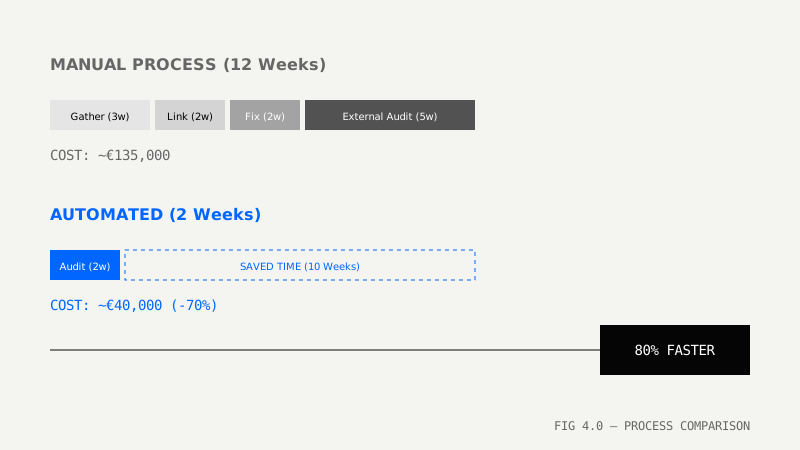
ESG auditing is shifting from manual sampling to automated verification. Companies with structured, queryable data can reduce audit timelines by 80% (from 4-6 weeks to 1-2 weeks), cut audit fees by 60-70%, improve data quality through automated validation, and give investors more confidence with transparent, auditable data.
Companies investing in structured ESG data systems now are preparing their sustainability reporting for CSRD, SEC, ISSB, and whatever regulations come next.
Your auditor will ask for structured data eventually. The question is whether you’ll be ready when they do.
Next Steps:
Try LeapOCR on your own documents
Eligible paid plans include a 3-day trial with 100 credits after you add a credit card, so you can test actual PDFs, scans, and forms before committing to a rollout.
Keep reading
More implementation guides, benchmarks, and workflow notes for teams building document pipelines.

CSRD isn't just about compliance; it's a data engineering problem. Here is how to build an automated pipeline that turns scattered PDFs into audit-ready JSON.
Auditors don't want your PDFs. They want your database. Here is how to use Document AI to transform unstructured ESG reports into verified, queryable JSON.

Discussion of GDPR and other data sovereignty requirements for ESG data. LeapOCR's compliance features and air-gapped options.